
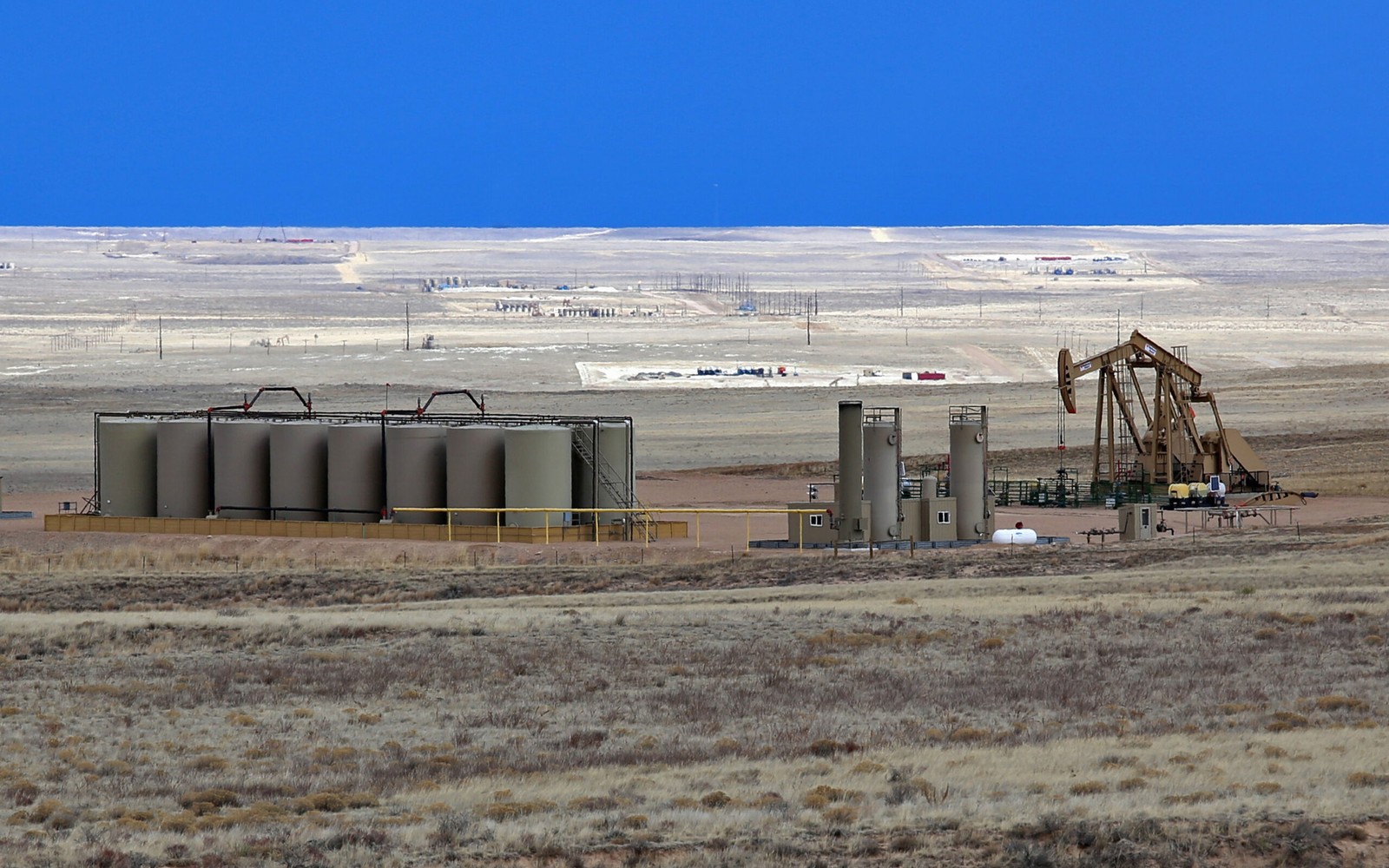
Piceance Basin Mineral Rights
The Piceance Basin runs on gas prices, not oil prices, and if you're only watching the oil headlines you're watching the wrong number.
Garfield, Rio Blanco, and Mesa Counties in western Colorado sit over the Piceance Basin, a tight gas play targeting the Mesaverde and Mancos formations. This basin saw heavy drilling activity in the mid-2000s when gas prices were strong, then went quiet for long stretches as gas prices fell and stayed low relative to the cost of developing tight, lower-permeability rock here.
If your minerals are in the Piceance, the single most useful thing you can do before talking to a buyer is check where Henry Hub and regional Rockies gas pricing sit right now, and where it's projected to go over the next couple of years. That number drives your offer far more directly than it would in an oil-weighted basin.
Why this basin is more price-sensitive than most
Mesaverde and Mancos wells here are tight gas, meaning they need hydraulic fracturing and often need sustained, reasonably strong gas prices to justify new drilling given the well costs involved. That's different from an associated-gas play like the Permian, where gas comes along with oil production regardless of the gas price. In the Piceance, gas price weakness alone can shut down new drilling almost entirely, and gas price strength can bring it roaring back.
A buyer offering on undeveloped Piceance Basin acreage should be able to tell you what gas price they're underwriting your upside against. If they can't, they're likely using a generic multiplier that doesn't reflect this basin's real economics.
Legacy production still anchors a lot of value here
Plenty of Piceance Basin mineral owners are sitting on wells drilled fifteen or twenty years ago that are still producing on a long, flat decline tail. If that's your situation, your check history is the most reliable pricing tool available, more reliable than betting on a new drilling wave that may or may not materialize depending on gas markets. Bring your division order and recent statements to any buyer conversation and ask for a PDP-focused valuation if new drilling activity near you has been quiet.
Federal and split-estate land is common here
A meaningful share of Piceance Basin acreage involves federal minerals managed by the Bureau of Land Management, and split estate situations where the surface is privately owned but the minerals are federal or vice versa. If your specific interest is federal, note that BLM leasing and permitting adds a layer of process that private-mineral tracts elsewhere don't have, which can affect development timelines even when gas prices are favorable.
What to have ready before you talk numbers
Bring your deed, division order, and as much check history as you can gather, along with confirmation of whether your interest is private or federal. A buyer who knows upfront which category applies to you can give you a more accurate offer the first time, rather than issuing a preliminary number that changes once they discover a BLM component during title review.
If your title passed through inheritance and hasn't been cleared at the county or BLM level, start that process now. It rarely blocks a sale outright, but it does add time, and knowing about it early lets you plan your closing timeline realistically instead of being surprised by it midway through, particularly if gas prices are moving and you want to act quickly while a genuinely fair offer is still sitting on the table in front of you. Prices in this basin rarely stay put for long.
Straight Answers for Mineral Owners
Why did my Piceance Basin offer drop when oil prices were rising?
Because this basin's economics track natural gas prices, not oil. Oil headlines don't tell you much about Piceance Basin drilling incentive. Check regional Rockies gas pricing and Henry Hub trends instead, and ask any buyer what gas price deck they used.
Is my mineral interest federal or private?
Check your deed or lease. Split estate situations are common in this basin, where the surface and minerals have different owners, sometimes with federal BLM ownership on the mineral side. This affects leasing process and can affect development timing, so it's worth confirming before you sell.
Is the Piceance Basin still being drilled at all?
Activity has been well below its mid-2000s peak for years and moves in cycles tied closely to gas prices. Check the Colorado Energy and Carbon Management Commission's permit records for recent activity near your specific section rather than assuming based on the basin's overall reputation.
Should I wait for gas prices to improve before selling?
That's a real tradeoff. Waiting can mean a stronger offer if gas prices strengthen and drilling picks up, but it also means continuing to carry price risk yourself. If your acreage is already producing and you want certainty now, a PDP-weighted offer today may suit you better than a bet on future gas markets.