
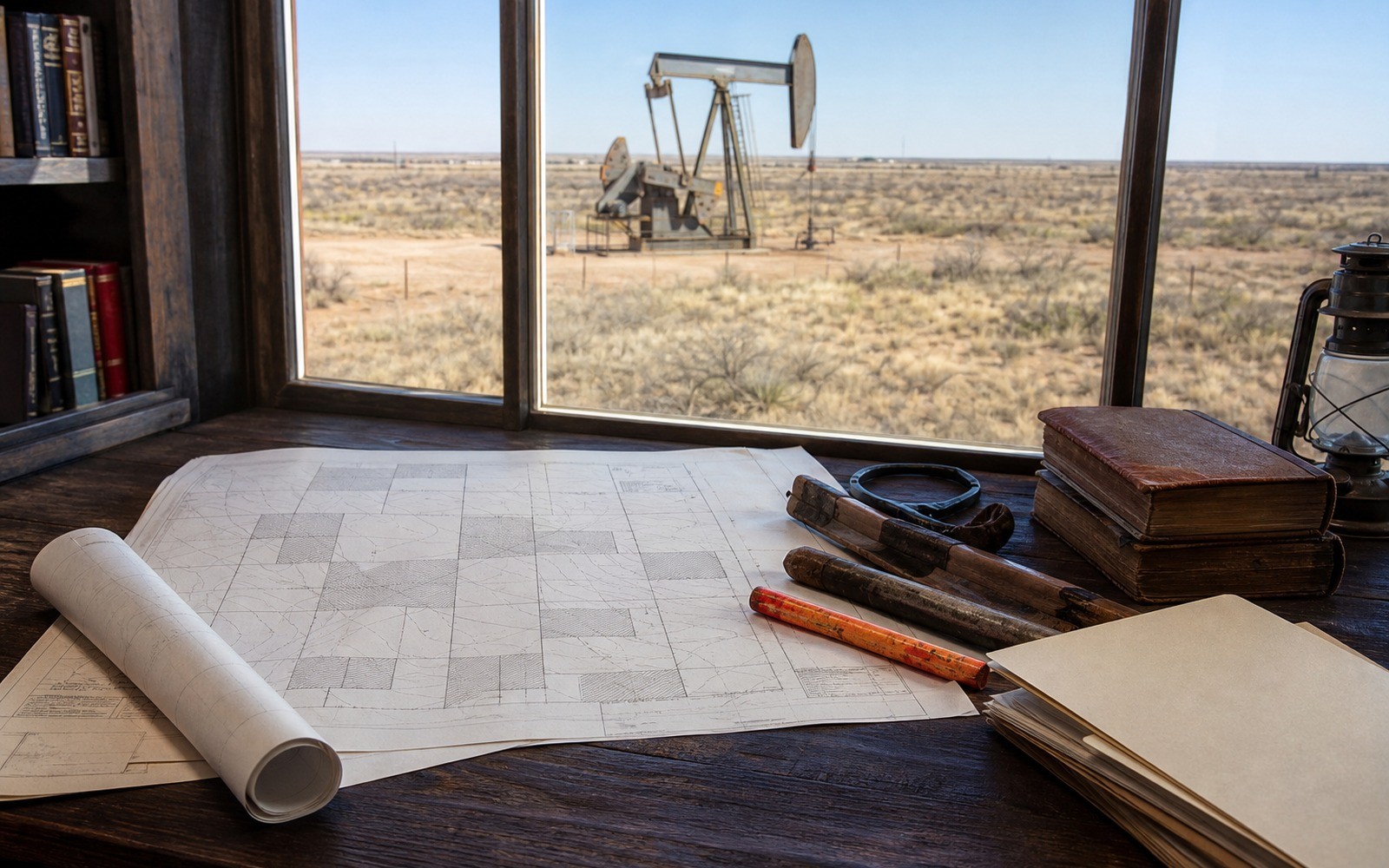
Surface vs. Mineral Estate
Owning the land your house sits on doesn't automatically mean you own what's underneath it. In a split estate, the surface and the minerals are two separate properties that can be owned, taxed, and sold by two different people entirely.
A lot of owners are surprised to learn that surface ownership and mineral ownership aren't automatically the same thing. Once a deed severs the two — and a large share of land across active oil and gas regions has been severed at some point, sometimes generations ago — they become independent legal estates. You can own the surface and none of the minerals, own the minerals and none of the surface, or own both because they were never split. Selling minerals when the estate is split is its own kind of transaction, distinct from selling land.
How a Split Estate Gets Created
Severance happens one of two ways. A landowner sells the surface but keeps the minerals — a reservation — often done historically by families who wanted to retain the mineral value while selling off farmland or a homestead. Or a landowner sells or grants the minerals separately while keeping the surface — a grant. Either way, the severing deed is what a title examiner looks for, and its recording date establishes when the two estates split and under what terms.
Some severances happened a century ago through a single ancestor's deed and have never been revisited since; the current surface owner may have no idea the minerals left the family decades before they bought or inherited the property.
Why the Mineral Estate Is Usually Dominant
In most states, when an estate is split, the mineral estate is legally dominant over the surface estate — meaning the mineral owner or their lessee has an implied right to use as much of the surface as reasonably necessary to explore for and produce the minerals, even without the surface owner's consent, subject to compensation for damages in many states. This is why a surface owner sometimes finds out about drilling activity on their land only when a landman or surface use agreement shows up, despite owning the ground itself.
This dominance is exactly why mineral ownership carries independent value even when the mineral owner has no relationship to or interest in the surface at all — the legal right to develop doesn't depend on also owning the ground above it.
Selling Minerals Without Owning the Surface
If you own a severed mineral estate, selling it has nothing to do with the surface owner — no notice to them is typically required, no consent needed, and the transaction is between you and the buyer alone. Your mineral deed conveys the same rights you hold: to lease, to receive bonus and royalty, and to authorize reasonable surface use for development under whatever your state's law and any existing surface use agreements allow.
Occasionally a buyer will ask whether there's an existing surface use agreement on file, since that document can affect how easily an operator can access the tract, but its existence or absence doesn't change your legal ability to sell your mineral interest.
Selling Surface Without Owning Minerals
If you own the surface but the minerals were severed away before you acquired the property, that's worth knowing even if you're not planning to sell anything mineral-related — it affects your property's exposure to future drilling, well pads, access roads, or pipeline easements without your ability to prevent it. Some owners in this position pursue a surface use agreement with the mineral owner or operator to set compensation and access terms in advance, which is a separate negotiation from any mineral sale entirely.
Straight Answers for Mineral Owners
How do I find out if my minerals were ever severed from my surface property?
Check your deed and the deed history in the county clerk's grantor-grantee index going back as far as it's recorded. Look for language reserving or granting minerals separately from the surface — if the current deed to your property doesn't mention minerals at all, that's often a sign they were severed at some earlier point.
Can someone drill on my land if I don't own the minerals?
In most states, yes, within the bounds of reasonable use and often subject to a surface use agreement covering compensation and access terms. The mineral estate's dominance over the surface is a long-established legal doctrine in most oil and gas producing states.
Do I need the surface owner's permission to sell my mineral rights?
No. A severed mineral estate is your independent property, and selling it doesn't require notice to or consent from whoever owns the surface.
If I sell my mineral rights, do I still own the surface?
Yes, assuming you owned both before the sale — the transaction only conveys the mineral estate. Your surface ownership, and any structures or use of the land, is unaffected.
Is a severed mineral estate worth as much as unsevered minerals?
Value is driven by the same factors either way — production history, lease terms, and geology — not by whether the surface is owned separately. A severed mineral estate sells on its own merits regardless of who owns the ground above it.