
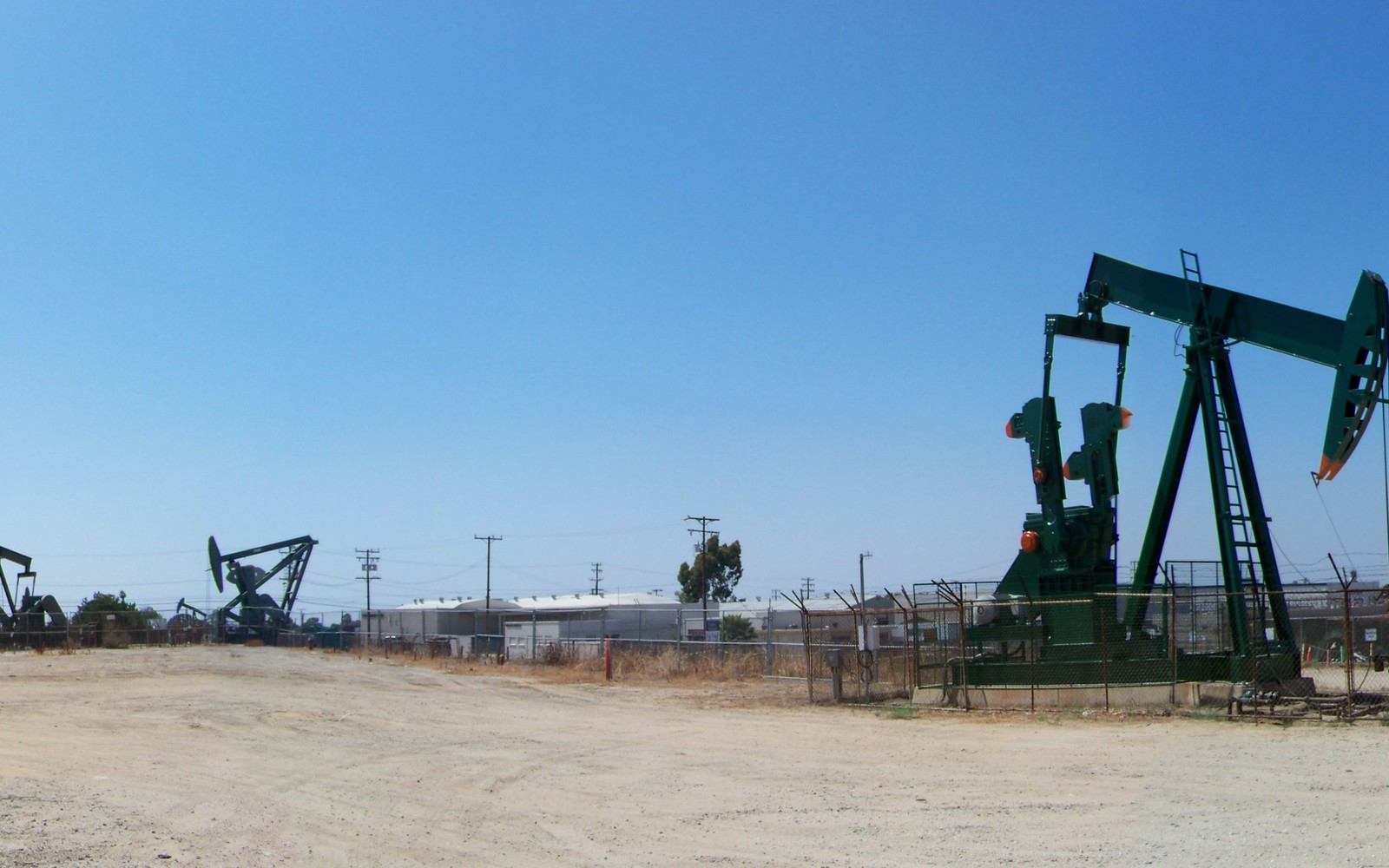
Midland Basin Mineral Rights
Most Midland Basin sellers we’ve worked with aren't guessing about what's under their ground, they've got a drawer full of check stubs going back years, and that's the whole conversation.
Midland, Martin, Howard, Glasscock, Upton, these counties have been drilled hard and drilled long. If your minerals are here, odds are decent you're not selling a speculative bet on future activity, you're selling a known quantity: a well or several wells with real production history that a buyer can run straight through a decline curve model without much guesswork.
That's a different sale than an undeveloped tract. It's usually faster, usually cleaner, and the number usually comes down to how well you can document what's already happened rather than argue about what might happen next.
Your check stubs are your leverage
Twelve to twenty-four months of monthly check detail, broken out by well if you're on more than one, is the single most valuable document you can hand a buyer here. It lets them fit a decline curve to your actual production instead of a type curve pulled from a nearby analog well. Owners who show up with only a single check or a summary statement usually get a more conservative offer, because the buyer has to assume the worst about volatility they can't see.
If you've lost old statements, most operators will resend prior division order history on request, or you can pull well-level production data off the Texas RRC's public database, which won't show your specific decimal interest but will confirm the well's overall production trend.
Mature acreage still has upside, just less of it
Midland Basin wells drilled in the 2012-2017 window are mostly past their steepest decline now and sitting on a flatter tail. That's usually good news for valuation stability, bad news if you were hoping for a big undeveloped-zone premium the way a flank Delaware Basin tract might carry. Refracs and downspaced infill wells do still happen in parts of this basin, so it's worth checking recent permits before assuming your section is fully built out.
Ask a buyer directly whether their offer assumes any additional drilling on your unit or is priced purely off the existing wells' remaining life. That answer tells you whether you're being paid for what exists or also for what might come.
Title issues that show up in older Midland Basin tracts
Because so much of this basin's mineral ownership traces back through decades of family land, it's common to find fractional interests that were never cleaned up, an original owner's interest split six ways across grandchildren who've never talked to each other, or a deed reservation from the 1950s that a modern title examiner has to chase down. None of that kills a sale, but it does slow it if you don't get ahead of it.
Pull your deed and any prior division orders before you list your minerals. If your name doesn't match current county records exactly, because of a marriage, a misspelling, or an unrecorded transfer, get that fixed at the courthouse first. It's the single most common reason a signed Midland Basin deal stalls before closing.
What a straightforward Midland Basin sale looks like
With clean title, current division order information, and a solid run of check history in hand, a Midland Basin sale on already-producing minerals is usually one of the more predictable transactions you can have in this business. There's less guesswork than a speculative, undeveloped tract, and buyers tend to move efficiently once the paperwork checks out.
Get more than one offer before you sign anything. Even on well-documented, mature acreage like this, buyers can differ in how they weight remaining well life, and a second opinion costs you nothing but a little time.
Straight Answers for Mineral Owners
Why is my Midland Basin offer lower than a friend's Delaware Basin offer?
Different formations, different depths, different remaining upside. A mature, shallower Midland Basin well with a long production history is priced mostly on what's already flowing. A Delaware Basin tract with unproduced deeper zones can carry more speculative upside. Compare your specific well's decline curve, not headline numbers from a different basin.
I only have one check stub, can I still sell?
Yes, but request additional history from your operator first if you can. A single month tells a buyer almost nothing about decline rate, and they'll price conservatively to cover that uncertainty. A short delay to gather six or twelve months of statements often pays for itself in a better offer.
Are there still active rigs in the Midland Basin or is it mostly done?
There's still active drilling, particularly infill and downspacing work in already-held units, but it's concentrated rather than the basin-wide land rush of a decade ago. Check the RRC permit map for activity within a mile of your section before assuming either way.
What if my family's interest was never split up after my grandparents passed?
That's common here and it's fixable, but it needs to happen before closing, not after. An affidavit of heirship or a probate filing at the county clerk establishes current ownership. A buyer or a landman can point you to the right paperwork for your specific situation.