
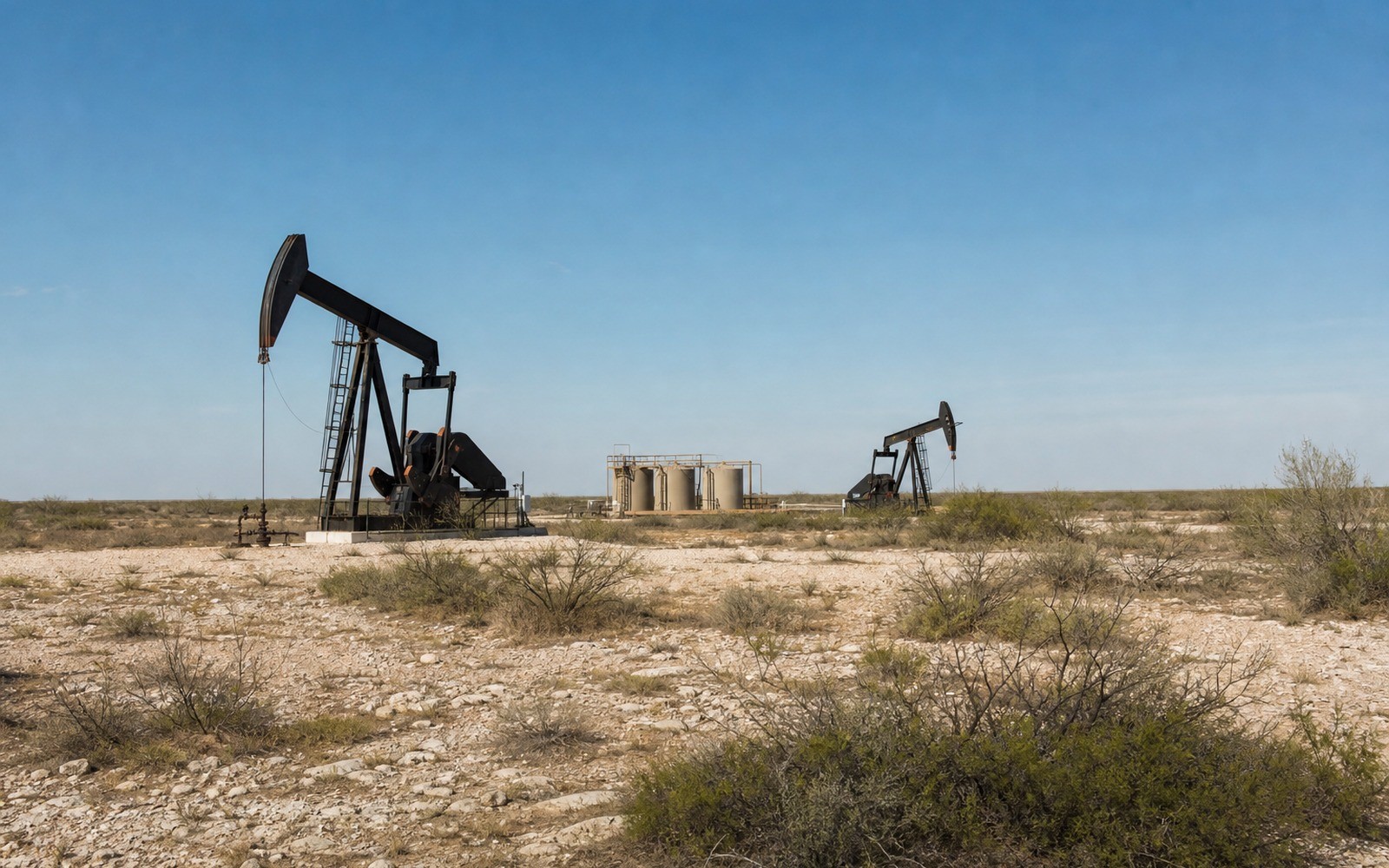
Eagle Ford Shale Mineral Rights
The Eagle Ford isn't one play with one price, it's three windows running side by side, and which one your minerals sit in matters more than almost anything else about your tract.
Running in a band across South Texas through Karnes, DeWitt, La Salle, McMullen, Gonzales, and Dimmit Counties, the Eagle Ford Shale changes character as it gets deeper and hotter moving southeast to northwest. Closer to the surface and cooler, you're in the oil window. Get deeper and hotter, you move through a condensate window, and deeper still, a dry gas window. These aren't marketing terms, they reflect real differences in what actually comes up the wellbore, and they price very differently.
A tract a few miles from your minerals can be in a different window entirely. Before you take any offer seriously, find out which window your specific section sits in.
How to check which window you're in
Your division order or check statement is the fastest confirmation, look at the ratio of oil, natural gas liquids, and dry gas revenue lines. A tract dominated by oil revenue is squarely in the oil window. Heavy NGL and condensate revenue with modest oil points to the condensate window. Mostly dry gas revenue means you're in the gas window, most commonly toward the basin's deeper northwestern edge. If you're undeveloped with no check yet, the Texas RRC's production data for nearby wells will tell you the same story.
This matters because oil-window Eagle Ford acreage has generally held stronger, more consistent drilling economics through recent price cycles than the dry gas window, which behaves more like a standalone gas play subject to gas price swings rather than oil price swings.
Karnes and DeWitt core versus the play's edges
Within the oil and condensate windows specifically, Karnes and DeWitt Counties have seen the heaviest, most sustained development, with dense well spacing and years of infill drilling. Acreage toward the play's northern or southern edges, or in counties with thinner historical drilling like parts of Dimmit or Frio, carries more uncertainty and should be priced with a wider range on undeveloped upside. Pull permit density for your specific township off the RRC map rather than relying on the Eagle Ford's overall reputation.
Boom and bust have already hit this play twice
Eagle Ford drilling peaked hard in the early 2010s, slowed considerably when oil prices fell in 2014-2016, then saw renewed but more selective activity in following years focused on the strongest acreage. That history is useful context: this is a mature play where operators have already identified their best rock, and continued development tends to concentrate there rather than spread evenly across the whole formation. If your tract sits outside that concentrated core, ask a buyer to be specific about why they believe upside exists rather than accepting a general Eagle Ford premium.
What to bring to the table regardless of window
Whichever window your minerals sit in, gather your deed, your division order, and as much check history as you have before talking to a buyer. Oil-window and condensate-window owners especially benefit from showing a clean, multi-month revenue trend, since it lets a buyer confirm your production mix directly rather than estimating it from nearby wells.
If your interest passed through inheritance and title hasn't been formally cleared at the county level, start that process now. South Texas counties in this play have handled enough mineral transactions that the paperwork moves efficiently once your documentation is in order, but a messy title chain is still the most common reason a signed deal slows down before closing, regardless of which window your minerals happen to sit in or how strong the underlying rock is.
Straight Answers for Mineral Owners
How much does it matter whether I'm in the oil, condensate, or gas window?
Significantly. Oil-window acreage has generally seen more consistent development and value stability than the gas window, which tracks natural gas prices more closely. Check your revenue mix on your division order or recent statements to confirm which window applies to your specific tract.
My minerals are near Karnes County, does that automatically mean a strong offer?
Proximity helps, but confirm actual well density and recent permits on your specific section rather than assuming based on the county's overall reputation. Karnes County itself has variation between its most heavily drilled areas and its edges.
Is the Eagle Ford still being actively drilled?
Yes, though more selectively than during its early 2010s peak, with operators concentrating capital on their best-performing acreage. Check the Texas RRC's permit records for activity within a mile of your tract before assuming either way.
Why would two nearby tracts in different windows get such different offers?
Different revenue streams, different price sensitivity, and often different well economics. A condensate-heavy tract and a dry-gas tract a few miles apart can have meaningfully different value even with similar well density, because they're exposed to different commodity price cycles.