
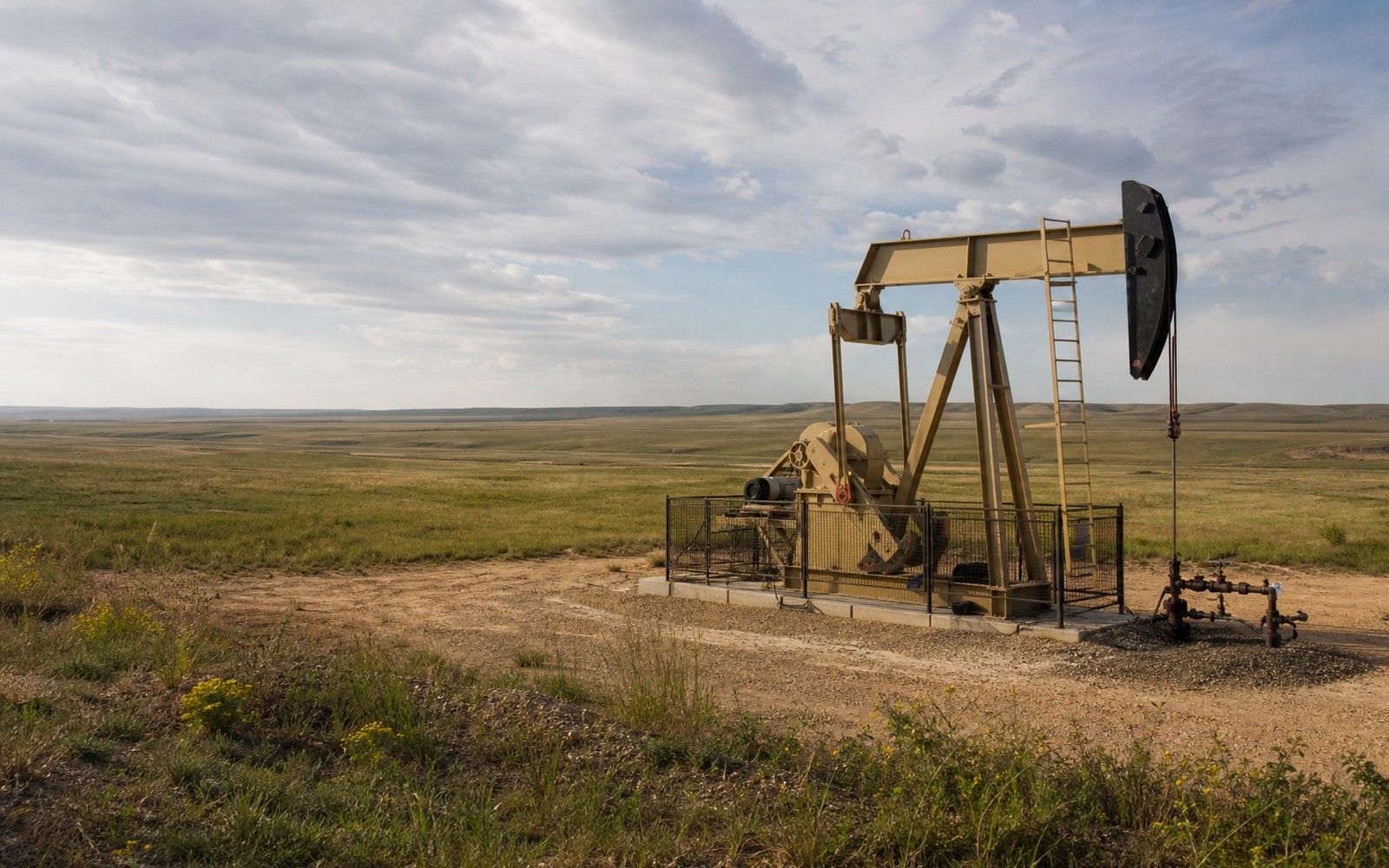
Bakken Mineral Rights
Bakken wells get drilled in batches, four, six, sometimes ten to a pad, which means your minerals' value can jump when a pad hits your unit and sit flat for years before that.
Mountrail, McKenzie, Williams, and Dunn Counties in North Dakota, spilling into eastern Montana, sit over the Bakken and Three Forks formations in the Williston Basin. This is horizontal, multi-well pad development, and operators here tend to drill several wells from a single surface location targeting the same spacing unit over a compressed window, then move the rig to the next pad. That batching means your check can go from modest to substantial in a matter of months once a pad targeting your unit gets drilled.
It also means timing your sale around where your unit sits in that pad-development cycle matters more here than in a basin with steadier, one-well-at-a-time drilling.
Pad timing and what it means for your offer
If your unit has one producing well and the operator has stated plans, or filed permits, for additional wells on the same pad, that's real, near-term upside a buyer should be pricing in. If your unit has a single well from years ago with no additional permits filed nearby, treat that as mature, largely PDP-driven acreage instead. Check the North Dakota Industrial Commission's GIS map for permits and spacing unit activity around your specific section before you talk to a buyer.
Winter matters too. Completion activity in this basin slows meaningfully during the harshest winter months, so a gap in visible activity between November and March isn't necessarily a sign of abandoned plans, it's often just the season.
Takeaway capacity has been a real swing factor
Because the Williston Basin sits far from Gulf Coast refining and export infrastructure, pipeline and rail takeaway capacity has directly affected realized oil prices here at various points, sometimes creating meaningful price discounts relative to national benchmarks when infrastructure lagged behind production growth. Ask a buyer what price differential, if any, they're assuming for your area relative to WTI, since that basis gap is a real, basin-specific factor here, not a generic assumption.
Fort Berthold and mineral interests tied to tribal allotments
A significant amount of Bakken production comes from the Fort Berthold Indian Reservation, home to the Mandan, Hidatsa, and Arikara Nation, where individual and tribal trust allotments are common. If your minerals trace to an allotment here, transfers run through Bureau of Indian Affairs approval rather than a standard county process, and you should tell any buyer that upfront so they can set a realistic timeline rather than quoting you a standard closing window that won't hold.
Documenting a multi-well unit for a buyer
When your unit has several wells from a single pad, don't just hand over the most recent check stub, pull the full production history well by well if your operator provides it that way. A buyer needs to see when each well came online and how each one's decline is behaving individually, since blending several wells into one number can obscure a strong early performer being dragged down by a weaker one, or vice versa.
If you're unsure how many wells sit on your spacing unit, the North Dakota Industrial Commission's online records will show you the unit configuration and every permitted well tied to it. That's useful information to have in hand before you start comparing offers from different buyers, and it can also reveal whether additional permits have already been filed but not yet drilled on your specific unit, which is exactly the kind of detail a genuinely serious buyer should already be building carefully into your offer. Ask directly if they haven't addressed it themselves.
Straight Answers for Mineral Owners
Why did my Bakken royalty check suddenly jump after years of nothing?
Multi-well pad development is standard here. A single well on your unit for years followed by a sudden jump usually means the operator drilled additional wells on the same pad targeting your spacing unit. Check recent permits on the North Dakota Industrial Commission's site to confirm.
Does winter weather actually slow drilling in the Bakken?
Yes, completion and some drilling activity typically slow during the harshest winter months. A quiet stretch between November and March near your unit doesn't necessarily mean plans have changed, it may just reflect the season.
My minerals trace to a Fort Berthold allotment, does that complicate a sale?
Yes. Allotted interests on the Fort Berthold Reservation require Bureau of Indian Affairs approval for transfer, which takes longer than a standard county clerk process. Disclose this upfront so a buyer can set the right expectations on timeline.
Does my Bakken oil sell for less than the national price I see quoted?
It can, depending on takeaway capacity and pipeline access in your specific area at the time. Ask a buyer what price differential, if any, they're using for your location relative to WTI, since this basis gap has been a real factor in Williston Basin economics.