
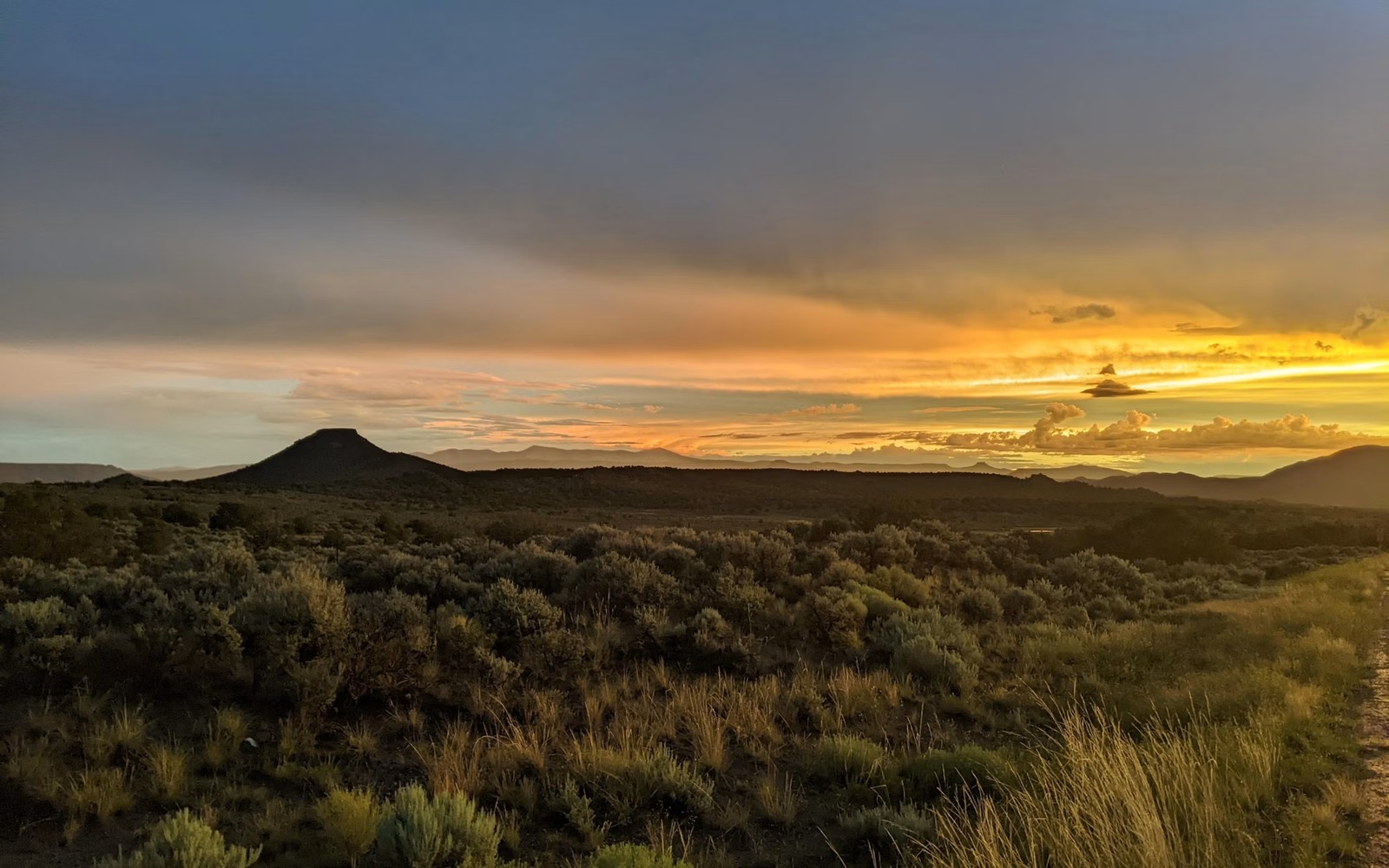
San Juan Basin Mineral Rights
A lot of San Juan Basin mineral owners we talk to inherited an interest nobody in the family fully understands, tied to a coalbed methane well older than most of them.
The San Juan Basin, spanning northwestern New Mexico and southwestern Colorado through San Juan County, New Mexico, and La Plata County, Colorado, was one of the country's first big coalbed methane plays, alongside older conventional Mesaverde and Dakota production going back further still. A lot of this basin's wells are stripper wells now, producing modest, steady volumes on long flat declines that have outlasted the operators who originally drilled them.
That long history means two things for a seller here. First, if you're on a division order, you likely have real, dependable production data to work with. Second, ownership here is more likely than most basins to run through allotted tribal land, old family homesteads, or fractional interests that were never cleanly resolved, and that's usually the actual bottleneck to a sale, not the geology.
Allotted and tribal-adjacent land needs extra time
Parts of the San Juan Basin overlap with Navajo Nation and Southern Ute lands, and individual Indian allotments carry ownership and transfer rules that run through the Bureau of Indian Affairs rather than a standard county clerk process. If your minerals trace back to an allotment, tell any buyer that up front, because it changes the title process and timeline meaningfully, and a buyer unfamiliar with BIA procedures will either slow-walk your deal or quote a number that doesn't reflect the real complexity.
This isn't a reason to avoid selling. It's a reason to work with someone who's actually closed a deal involving allotted minerals before, and to expect the process to run longer than a straightforward private-land transfer.
Stripper wells still pay, just don't expect a drilling premium
Most of the San Juan Basin isn't seeing meaningful new drilling activity. If your check has been steady for years off an older CBM or Mesaverde well, that stability is real value, but an honest offer here should be priced almost entirely on existing production and its remaining decline, not on speculation about future wells. Be skeptical of any buyer promising a big upside number in this basin without pointing to specific, recent permitting activity near your tract.
Bring as many years of check history as you have. In a basin this mature, a longer track record actually reduces a buyer's risk and can support a better offer than a short, recent slice of production would.
Checking how water production affects your check
Coalbed methane wells in this basin often produce meaningful water alongside gas, and water handling costs can eat into net operator revenue in ways that don't always show up clearly on a mineral owner's statement. If your well's water cut has been rising over time, that's often reflected in a slowing net-back to you even if gross gas volumes look stable, worth asking your operator about directly if your checks have been trending down.
What a realistic San Juan Basin sale timeline looks like
For a straightforward private interest with clean title and current documentation, expect a similar closing pace to most mature basins, a few weeks to a couple of months. If your interest involves allotted or tribal land, build in meaningfully more time, and make sure any buyer you're working with has actually closed a deal of that type before, rather than one who simply quotes you a standard timeline that doesn't reflect the real process.
Whichever situation applies to you, get everything you can find, deed, division order, check history, and any BIA correspondence if relevant, organized before your first real conversation with a buyer. It's the single best way to avoid surprises partway through a sale in a basin with this much layered history.
Straight Answers for Mineral Owners
My mineral interest comes from an old family allotment, does that complicate a sale?
Yes, allotted interests run through Bureau of Indian Affairs approval processes rather than standard county recording, and transfers typically take longer. Disclose this upfront to any buyer and expect a longer timeline than a straightforward private-land sale, not a lower final outcome.
Is the San Juan Basin still worth selling if there's no new drilling near me?
Yes, if you have real production history. Mature, stable stripper-well income is a legitimate basis for a fair offer, it's just priced on existing decline rather than future drilling upside. Bring your longest available check history to support that valuation.
Why do my checks seem to be shrinking even though the well still produces gas?
Rising water production in coalbed methane wells can increase handling costs over the life of the well, which affects net revenue even when gross gas volumes hold up. Ask your operator for a production and cost breakdown if you're seeing a steady decline in your net check.
How do I find out if my minerals sit on tribal or allotted land?
Your deed, lease, or division order should indicate the land status, or you can check with the county clerk in San Juan County, New Mexico, or La Plata County, Colorado. If any documentation mentions the Bureau of Indian Affairs or a specific allotment number, that confirms it.