
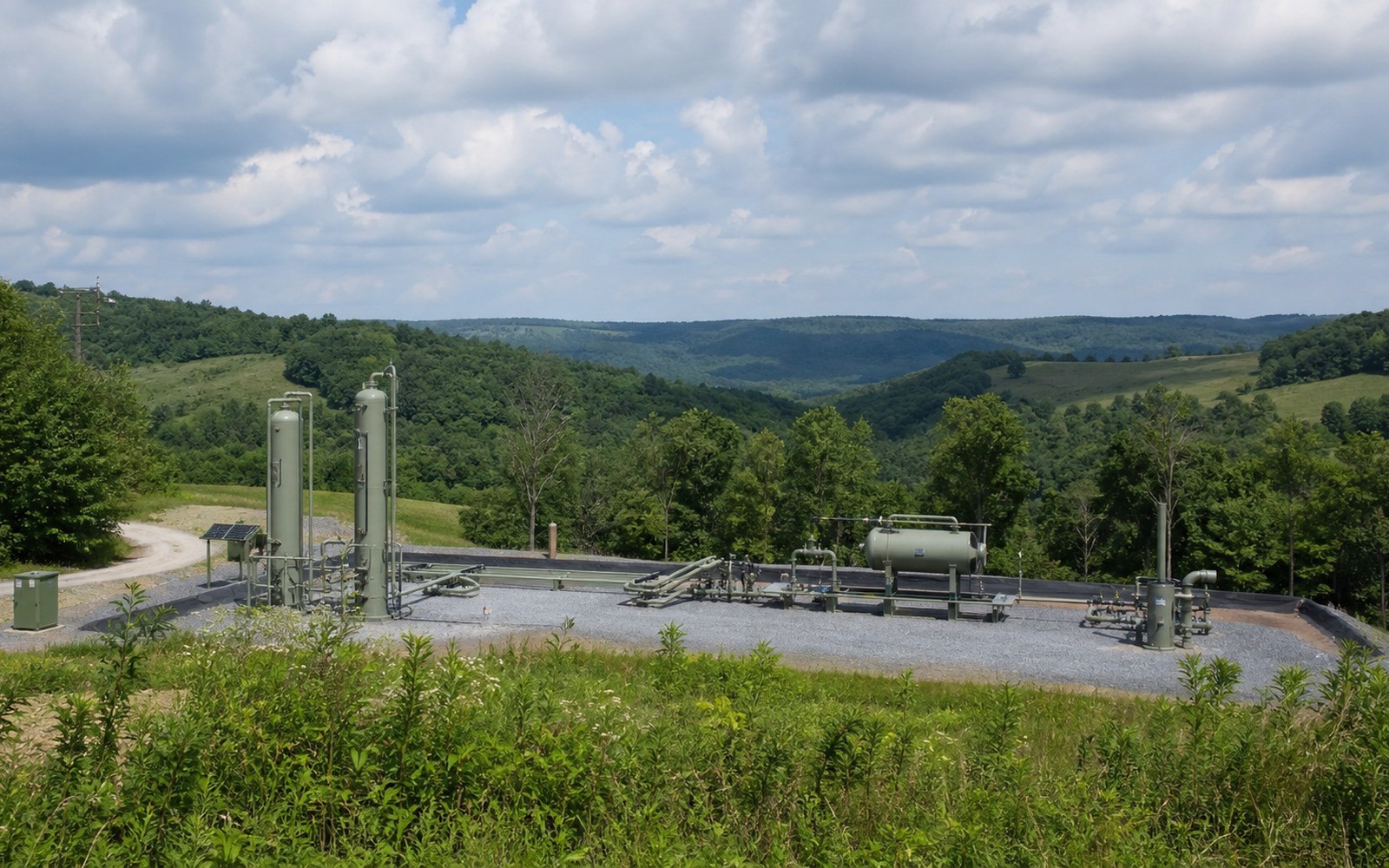
Utica Shale Mineral Rights
Before you can sell your Utica Shale minerals, you need to answer a question that sounds simple and often isn't: do you actually own the Utica, or just what's above it?
In eastern Ohio, Belmont, Monroe, Guernsey, and Harrison Counties sit at the heart of the Utica Shale, which lies below and slightly overlaps the Marcellus in parts of Appalachia. Because these formations were leased and sometimes severed from surface ownership at different points in history, some deeds convey rights to a specific depth or formation rather than everything beneath the surface, and it's genuinely common for a mineral owner to hold clear Marcellus rights while the Utica rights below were reserved, sold, or never addressed at all in an old deed.
This is the single biggest thing to sort out before you sell in this play. Get it wrong and you either sell something you don't own or fail to sell something you do.
Reading your deed for depth or formation limitations
Pull your deed and look closely for language that limits your conveyance to a specific formation, a specific depth, or that explicitly reserves deeper rights to a prior owner. Older deeds, particularly from decades before horizontal Utica development existed as a concept, sometimes used vague depth language that a modern title examiner has to interpret carefully. If your paperwork isn't clear, a landman or title attorney familiar with Ohio's Utica-era deeds can help resolve it before you go to market, not after you've accepted an offer that assumes you own something you don't.
This matters directly to your sale price because a buyer pricing your Utica rights needs certainty about depth ownership before they can close, and ambiguity here is one of the more common reasons Ohio mineral deals stall.
Wet gas core versus the play's drier edges
The core Utica counties, Belmont, Monroe, and parts of Guernsey and Noble, have historically carried richer, NGL-heavy wet gas and condensate production, which adds meaningful value beyond raw gas price, similar to the wet gas story in northeastern Pennsylvania's Marcellus. Moving further from that core, the play trends drier and the economics shift closer to a straightforward gas-price-driven valuation. Check your division order's revenue breakdown, gas versus NGLs versus condensate, to see where your specific tract falls.
Stacked development with the Marcellus above you
In parts of eastern Ohio, operators have developed both the Marcellus and Utica from the same well pads at different times, meaning your tract could eventually see two rounds of horizontal development on the same acreage years apart. If you're selling only your Utica rights while retaining Marcellus rights, or vice versa, make sure the sale documents are precise about which formation is conveyed, since imprecise language here has caused real disputes in this basin.
What to bring to a Utica Shale conversation
Bring your deed, division order, and check history if you're producing, along with a clear read on which formations your deed actually conveys. If there's any ambiguity, get it resolved before you start comparing offers, since a buyer's number is only as good as their confidence in exactly what you're selling.
If your title passed through inheritance, confirm it's properly recorded at the county level before you go to market. Belmont, Monroe, Guernsey, and Harrison County courthouses have handled enough of these transactions over the past decade that clean, complete paperwork tends to move efficiently once you're ready to sell, provided the depth question on your deed has already been resolved with a genuinely qualified title professional well beforehand. Skipping that step is the most common way an Ohio deal gets delayed.
Straight Answers for Mineral Owners
How do I find out if I actually own my Utica rights?
Read your deed carefully for depth or formation-specific language, or have a title professional familiar with Ohio Utica-era deeds review it. Older deeds sometimes reserved deeper formations to a prior owner without clearly saying so, which needs to be resolved before you can sell with confidence.
Can I sell my Utica rights but keep my Marcellus rights?
Yes, this is done regularly in this basin, but it requires precise deed language specifying exactly which formation is conveyed. Work with a buyer experienced in stacked-pay Ohio transactions and have any conveyance document reviewed before signing.
Why is wet gas content such a big deal in the Utica core?
NGL and condensate revenue adds real value beyond the raw natural gas price, and the core Belmont and Monroe County area has historically carried richer liquids content than the play's drier edges. Check your division order's revenue lines to see how much of your income comes from liquids versus dry gas.
Is the Utica Shale still being actively developed?
Yes, particularly in the wet gas core counties, though development pace has moderated from its earlier boom years. Check the Ohio Department of Natural Resources' permit records for recent activity near your specific tract before assuming a level of activity either way.